
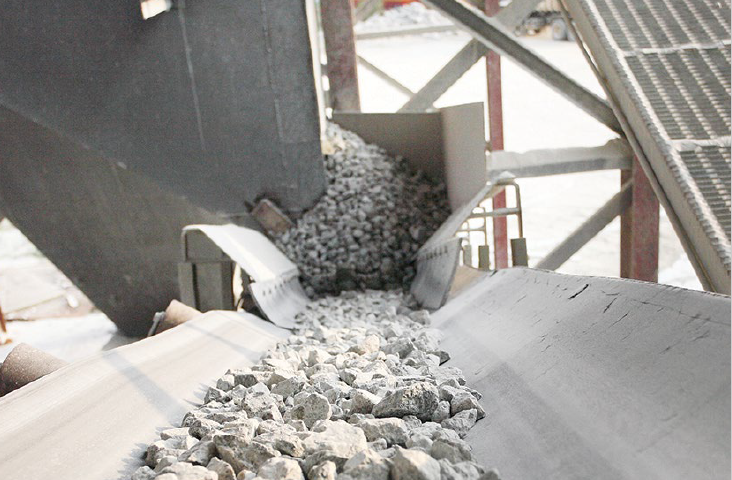
In heavy industries like mining, cement, power generation, and material handling, equipment is constantly exposed to harsh conditions. Abrasion, impact, and corrosion gradually wear down surfaces, leading to costly downtime and frequent repairs. This is where wearing compounds come into play.
What is a Wearing Compound?
A wearing compound is a specially formulated, wear-resistant material typically epoxy-based designed to protect industrial equipment from damage caused by abrasion, erosion, and impact. These compounds are commonly applied as a coating or lining to surfaces that handle dry bulk materials such as sand, coal, ore, or cement.
Unlike traditional coatings, wearing compounds are engineered with ceramic or metallic fillers that significantly enhance durability and extend the lifespan of equipment. They are often supplied as trowelable, non-sag putties, making them easy to apply on vertical or overhead surfaces.
How Do Wearing Compounds Work?
Wearing compounds act as a sacrificial protective layer. Instead of the underlying metal surface taking the damage, the compound absorbs the wear. Over time, this layer can be repaired or replaced at a fraction of the cost of replacing entire equipment components.
They protect against:
- Sliding abrasion from materials moving across surfaces
- Impact damage from falling or high-velocity particles
- Erosion and corrosion in aggressive environments
This makes them ideal for applications such as chutes, hoppers, pipe elbows, conveyor systems, and storage vessels.
Key Benefits of Wearing Compounds
1. Extended Equipment Life
By shielding critical components, wearing compounds significantly reduce wear rates and prolong operational life.
2. Reduced Downtime
Fast-curing formulations allow equipment to return to service quickly, minimizing production interruptions.
3. Cost Savings
Repairing with a wearing compound is far more economical than replacing worn-out metal parts.
4. Versatile Application
These compounds can be applied to metal, concrete, and even previously coated surfaces, making them highly adaptable across industries.
5. Chemical and Temperature Resistance
Many advanced formulations can withstand harsh chemicals and high temperatures, ensuring durability in extreme conditions.
Common Applications of Wearing Compounds
Wearing compounds are widely used across industries, including:
- Mining & Quarrying – chute linings, crushers, screens
- Cement Plants – cyclones, ducts, hoppers
- Power Plants – ash handling systems, coal pipes
- Pulp & Paper – slurry handling equipment
- Steel Processing – material transfer points
Essentially, any operation dealing with bulk material flow can benefit from applying a wear-resistant solution.
Choosing the Right Wearing Compound
Not all wearing compounds are created equal. Selecting the right one depends on several factors:
- Particle size (fine vs. coarse materials)
- Impact level (light abrasion vs. heavy impact)
- Operating temperature
- Chemical exposure
- Application surface orientation (vertical, overhead, etc.)
This is where high-performance solutions like the Devcon® Wear Guard™ series stand out.
Why Choose Devcon® Wear Guard™ Wearing Compounds?
When it comes to reliable, industrial-grade protection, the Devcon® Wear Guard™ series offers a comprehensive range of wearing compounds tailored for different operating conditions.
Key Product Variants
-
Wear Guard™ Fine Load
Ideal for fine particle environments, offering high-density ceramic-filled protection. -
Wear Guard™ High Load
Designed for larger particulate (>1/8”), perfect for heavy-duty abrasion zones like chutes and pipe elbows. -
Wear Guard™ High Temp
Engineered for extreme heat applications, withstanding temperatures up to 450°F (232°C).
These epoxy systems are ceramic bead-filled, providing outstanding resistance to wear while maintaining strong adhesion to metal, concrete, and other substrates.

When Should You Use a Wearing Compound?
If you notice any of the following, it’s time to consider applying a wearing compound:
- Frequent equipment repairs due to wear
- Visible erosion or thinning of metal surfaces
- Material buildup or inefficiencies in flow systems
- High maintenance costs or unplanned downtime
Implementing a wear protection strategy early can prevent costly failures and improve operational efficiency.
Conclusion
If you're looking to extend equipment life, reduce downtime, and cut maintenance costs, it’s time to upgrade your protection strategy.
Explore the Devcon® Wear Guard™ series today and find the right wearing compound for your application. Or contact us to get tailored recommendations for your industry.
FAQ
1. What is the difference between a wearing compound and a coating?
A wearing compound is typically thicker and reinforced with ceramic or metallic fillers, making it more durable than standard coatings designed mainly for corrosion protection.
2. How long does a wearing compound last?
It depends on the operating conditions, but high-quality compounds can extend equipment life by several times compared to unprotected surfaces.
3. Can wearing compounds be applied on-site?
Yes, most wearing compounds are designed for easy on-site application using basic tools like trowels.
4. Are wearing compounds suitable for high temperatures?
Yes, specialized variants like high-temperature formulations (Wear Guard™ High Temp) can withstand extreme heat environments.
5. How quickly can equipment return to service?
Some fast-curing compounds allow equipment to be operational within a few hours, depending on the product used.


发表评论
所有评论在发布前都会经过审核。
此站点受 reCAPTCHA 保护,并且 Google 隐私政策和服务条款适用。